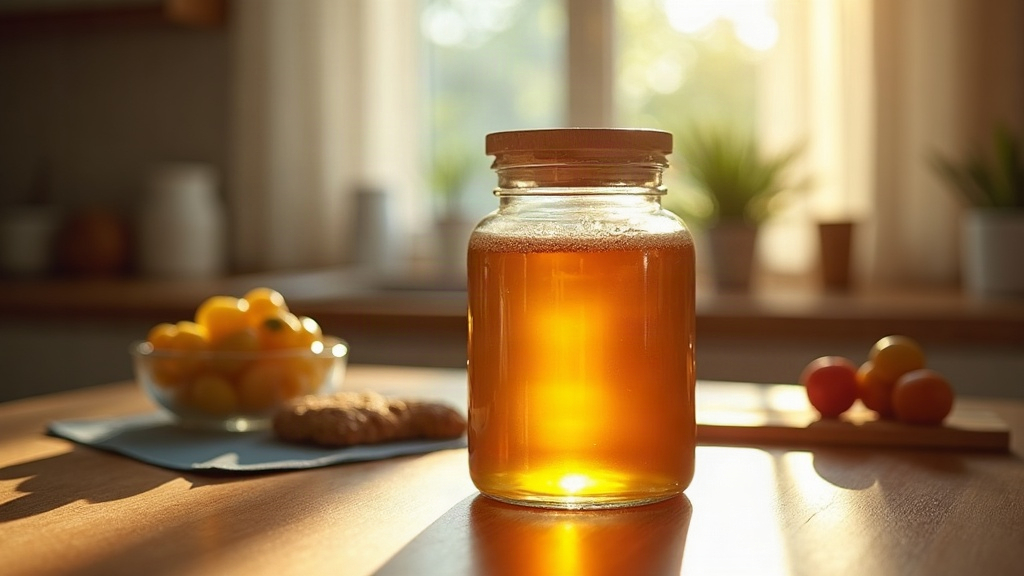
Long before it had a name on a label, this pairing of honey and olive oil sat in market baskets next to bread and cheese. Biblical drink (oil)/ Honey blend is part of that old kitchen tradition — not a fix for anything. This guide walks through the habit, the history, and how people build steadier mealtime routines, always alongside the guidance of their own doctor.
Before any talk of ingredients or habits, most days start the same way — with a routine that already feels like a lot to manage.
You're up, but the kitchen feels far away. Many people notice mornings feel heavier before the first meal is even on the table — long before any decision about food has been made. Market habits like reaching for honey and olive oil, the same way home cooks have for generations, are part of easing into that first hour.
Three meals a day means three decisions, sometimes more. For anyone paying attention to how they eat, that adds up to a lot of small choices before lunch is even served.
Standing in front of the fridge or a market stall, unsure what actually belongs on the plate today — it's a familiar pause for a lot of home cooks trying to keep meals simple.
Right after lunch, energy can dip in a way that derails the rest of the afternoon. It's one of the most common reasons people start paying closer attention to how a meal is put together in the first place.
A lot of mealtime confusion comes from ideas passed around without much context. Here’s a closer look at three common ones.
Fruit is off-limits once you’re watching your sugar closely.
Whole fruit comes with fiber and water that plain sugar doesn’t. Many home cooks simply pair it with a protein or a handful of nuts rather than cutting it out altogether. What fits your plate is something to shape together with your doctor or dietitian.
Anything labeled ‘diabetic-friendly’ is automatically the better choice.
A label doesn’t tell the whole story — portion size, preparation, and what else is on the plate matter just as much. Reading past the front of the package is a habit worth building at the market and at home.
All carbohydrates behave the same way in a meal.
The order you eat them in, what you pair them with, and how spaced out a meal is all shape the experience of that meal. That’s why so many neighborhood cooks focus on rhythm and routine rather than strict rules.
None of this replaces medical guidance — think of it as the kind of practical, everyday habits a grandmother might have passed down at the market stall.
Eating a little more slowly, with fewer distractions, gives a meal room to actually register. Many home cooks treat mealtime as a pause in the day rather than something to rush through.
Some people start with vegetables, move to protein, and finish with the starchier parts of the meal. It’s a simple sequencing habit worth discussing with a doctor or dietitian if you’re curious whether it fits your routine.
A short walk around the block or a few minutes tidying the kitchen after a meal is a habit many households already have — nothing intense, just a bit of motion built into the day.
Honey and olive oil have shared space in Mediterranean and Middle Eastern kitchens for centuries — sold from neighboring stalls, drizzled together over warm bread, folded into breakfast dips passed down through families. Old texts and market traditions from the region often mention the two side by side, long before either had a place on a supplement shelf. What’s known today in some kitchens as Biblical drink (oil)/ Honey blend traces back to that same pairing: a jar of honey, a bottle of good olive oil, and a habit of using them together at the table, the same way generations of home cooks did with whatever was fresh at the market that week.
Long before supplement aisles existed, honey and olive oil sat side by side in a shopping basket — bought fresh, used within the week, part of a rhythm of cooking rather than a bottle left untouched in a cabinet.
Waking up drained after a full night's sleep, on a regular basis, is worth mentioning at your next appointment with the professional who manages your care.
If certain times of day consistently feel harder to push through, that pattern is useful information to share with your doctor rather than something to figure out alone.
Any meaningful shift in how hungry or thirsty you feel day to day is a good thing to bring up at your next check-in, rather than something to interpret on your own.
Sometimes family or friends notice something before we do. If someone close to you mentions a change, that's worth raising with your doctor at your next visit.
Any new or unfamiliar pattern in your day-to-day routine is best discussed with the professional who already knows your history and current treatment.
If you introduce a new food, ingredient, or routine and notice any change at all, tell your doctor. Never adjust or pause any prescribed treatment on your own.
These stories reflect personal routines shared for illustrative purposes only. They do not describe medical outcomes, lab results, or treatment effects. Individual experiences vary, and this is not a guarantee of any result.
Explore how simple, everyday habits — from the order of food on your plate to a short walk after a meal — fit into a routine you already have. As always, talk with your doctor before changing your diet, your habits, or anything related to a prescribed treatment.
Advertising Disclosure: This page contains sponsored content and affiliate links. We may receive compensation if you click a link or make a purchase through one of the links on this page. This compensation does not influence the educational information presented here.
Content Disclaimer: This content is for educational purposes only and has not been evaluated by the FDA. It is not intended to diagnose, treat, cure, or prevent any disease, including diabetes or pre-diabetes. It is not a substitute for professional medical advice, diagnosis, or treatment. Always consult a qualified healthcare professional before changing your diet, your daily routine, or any prescribed treatment, including medication or insulin.
Results Disclaimer: Individual results and experiences vary. Testimonials shared on this page reflect personal opinions and routines and are not a guarantee of similar outcomes for any reader.
© 2026 · All Rights Reserved